SBMT Kateb Neurotechnology Entrepreneurship Program
Building futures, shaping lives, preparing the Innovators of tomorrow.
SBMT Kateb Neurotechnology Entrepreneurship Internship/Fellowship Program
Program Overview
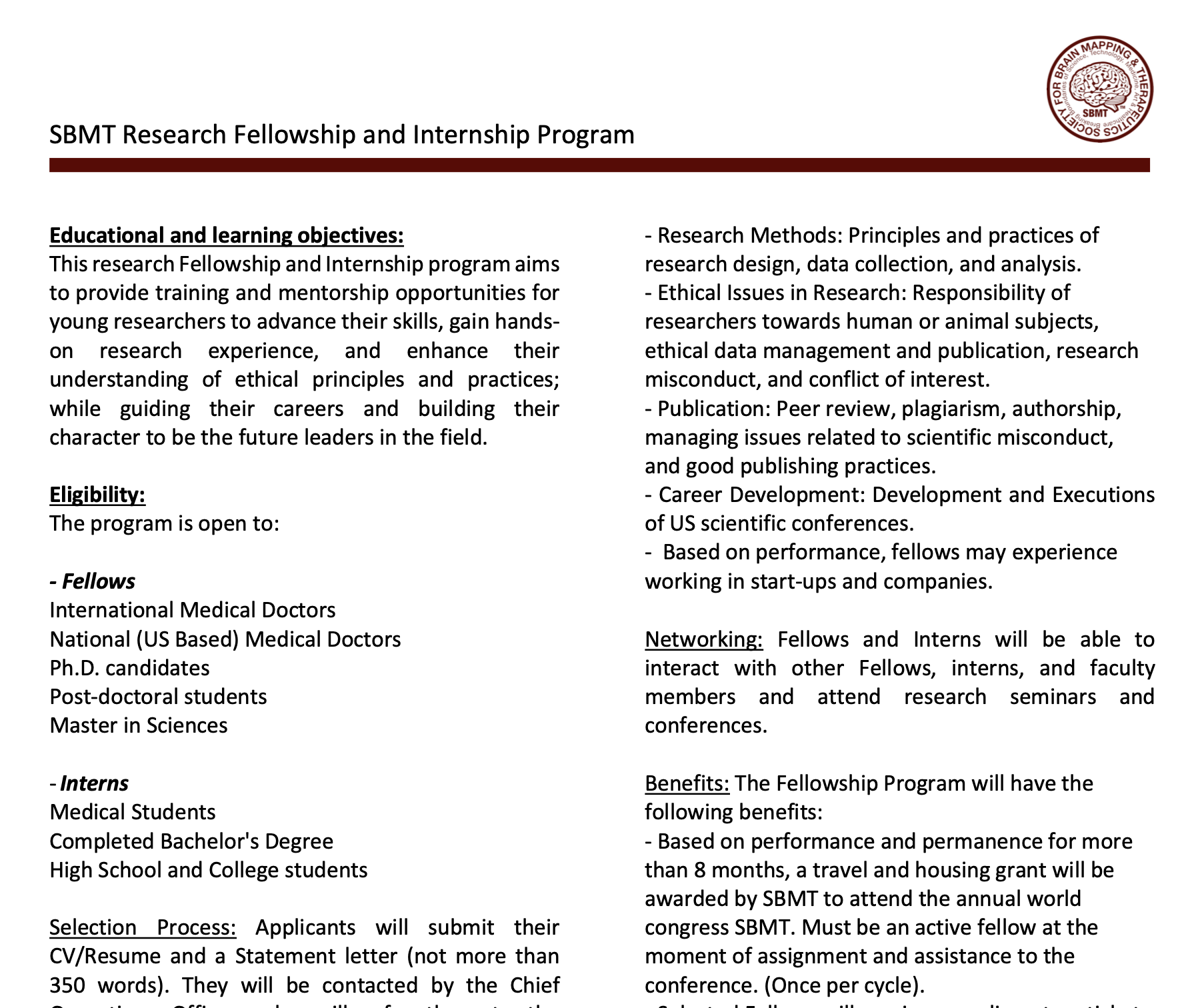
The SBMT Kateb Neurotech Entrepreneurship Internship/Fellowship is an intensive training program focused on the intersection of neuroscience, neurotechnology, scientific research, innovation, policy, entrepreneurship, and medicine. The program is designed to provide hands-on experience in scientific discovery, research execution, leadership development, scientific communication, and organizational management within a global neurotechnology ecosystem.
The program is considered an exciting and immersive training opportunity that requires meaningful engagement and commitment. Participants seeking a Letter of Recommendation (LOR) are expected to demonstrate sustained involvement for a minimum of one year.
Appointment and Offer Letter
Participants accepted into the program will receive an official appointment or offer letter confirming their internship/fellowship position.
Internship Responsibilities
Interns and fellows are expected to actively contribute to SBMT initiatives and support the organization’s scientific and educational mission.
Key responsibilities include:
Research and Academic Activities
- Assist SBMT fellows with research and program-related activities.
- Publish scientific posters and abstracts.
- Participate in scientific writing and publication efforts.
- Present research and projects at the SBMT Annual Meeting.
Organizational Engagement
- Follow the guidelines established for SBMT fellows and interns.
- Work under the guidance of Dr. Kateb and the SBMT Executive Team.
- Support scientific program development for SBMT 2027 and future conferences.
- Assist with Brain Mapping Day and Policy Day initiatives.
- Participate in the planning and execution of scientific summits and conferences.
Administrative and Operational Support
- Assist with event logistics when required.
- Attend required committee and subcommittee meetings.
- Complete assignments on schedule and according to expectations.
- Maintain professional communication and collaboration standards.
Program Objectives
The internship is structured around ten primary developmental objectives:
1. Scientific Training
Develop a comprehensive understanding of:
- Scientific principles
- Research methodologies
- Scientific execution
- Discovery and innovation in neurotechnology
2. Publication Development
Ensure participants gain experience in:
- Scientific writing
- Publishing abstracts
- Publishing posters
- Contributing to academic literature
3. Grassroots Leadership Development
Train participants to:
- Organize large-scale scientific programs
- Coordinate local and specialized scientific summits
- Engage in community and professional outreach
4. Critical Thinking and Leadership
Develop:
- Critical thinking abilities
- Sound judgment
- Leadership competencies
- Strategic decision-making skills
5. Scientific Communication Mastery
Provide training in:
- Scientific writing
- Professional presentations
- Collaboration
- Networking with experts and stakeholders
6. Career Development Support
Assist participants in:
- Graduate school preparation
- Postgraduate training opportunities
- Career planning
- Future job placement pathways
7. Global Professional Networking
Facilitate engagement with world leaders in neurotechnology by:
- Assigning participants to SBMT subcommittees
- Providing presentation opportunities at SBMT Annual Meetings
- Expanding professional networks
8. Teamwork and Collaboration
Train participants to become effective team members within multidisciplinary environments.
9. Communication and Public Relations
Strengthen:
- Communication skills
- Professional engagement
- Public relations capabilities
- Stakeholder interaction skills
10. Neurotechnology Entrepreneurship
Provide exposure to:
- Innovation ecosystems
- Technology commercialization
- Entrepreneurship in neurotechnology
- Science and technology policy
Resources and Support Provided
Participants will receive significant mentorship and professional development support, including:
Mentorship
- Direct training from Dr. Babak Kateb.
- Guidance from experienced professional staff.
- One-on-one internship and fellowship mentorship.
Academic Support
- Assistance with scientific publications.
- Support in achieving publication objectives.
- Guidance on research development and presentation preparation.
Career Advancement
- Professional mentorship aligned with program objectives.
- Opportunities for networking and career development.
- Potential recommendation letters based on performance and commitment.
Access to Institutional Resources
Upon completion of required confidentiality documentation, including a Non-Disclosure Agreement (NDA), participants may receive access to:
- Official email accounts
- Shared drives
- Internal databases
- Research articles
- Data analysis resources
- Other program-related tools and materials
Time Commitment
Minimum Weekly Commitment
- Minimum of 10 hours per week.
Required Participation
Participants are expected to attend at least two recurring committee activities:
- Science Committee Calls
- Fellows Calls
Active participation in meetings and follow-through on assigned tasks are essential components of the program.
Program Duration
Minimum Engagement for Letter of Recommendation
- One year of focused and productive participation.
The one-year duration represents the complete training experience and eligibility period for program completion recognition.
Training and Onboarding
Training begins immediately upon joining the program.
Participants are expected to:
- Attend committee and subcommittee calls.
- Engage actively in discussions.
- Support fellows and project teams.
- Complete assigned tasks and deliverables.
- Learn through direct participation and mentorship.
The program follows a hands-on learning model where practical engagement serves as the primary training mechanism.
Letter of Recommendation (LOR)
Participants may become eligible for a Letter of Recommendation after:
- Completing at least one year of dedicated participation.
- Demonstrating consistent performance.
- Remaining engaged and productive within the program.
Issuance of recommendation letters is performance-based and subject to program leadership evaluation.
Certificate of Completion
Participants who successfully complete the full one-year program may receive:
- An official Certificate of Completion.
- A completion letter recognizing their participation and achievements.
Awards and Recognition
Outstanding participants may be considered for additional recognition.
Potential opportunities include:
SBMT Gala Award Nomination
Exceptional interns or fellows may be nominated for an award during the SBMT Gala.
Important notes:
- Award selection is highly competitive.
- Awards are honorary and non-monetary.
- Each year, a limited number of fellows and interns receive this distinction.
SBMT Annual Meeting Support
Participants who demonstrate exceptional performance may have their hotel accommodations covered for attendance at the SBMT Annual Meeting.
Expected Outcomes
By the end of the program, participants are expected to have developed:
- Strong scientific research skills
- Publication experience
- Leadership capabilities
- Critical thinking and decision-making skills
- Scientific communication expertise
- Professional networking connections
- Team collaboration experience
- Event and program management exposure
- Career advancement opportunities
- Foundational knowledge in neurotechnology entrepreneurship, innovation, and policy
The program is designed to prepare participants for graduate education, professional training pathways, leadership roles, research careers, and future opportunities within the neurotechnology and biomedical innovation sectors.
Social Media
Fellows & Interns
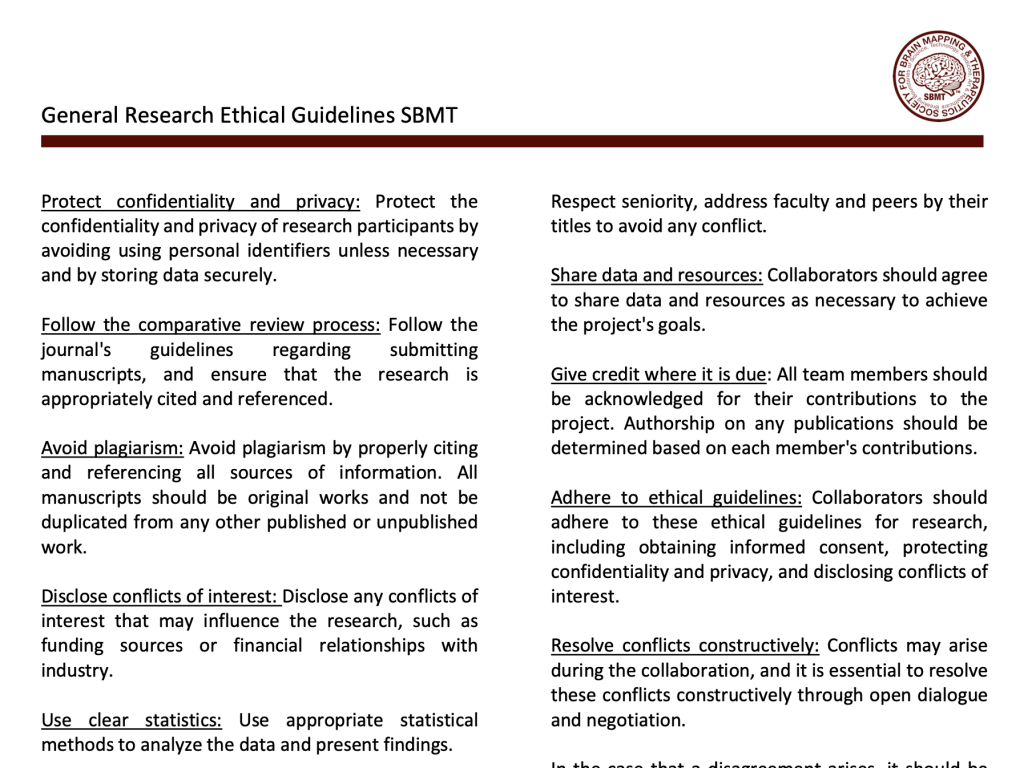
Fellows & Interns Guidelines
Membership Services
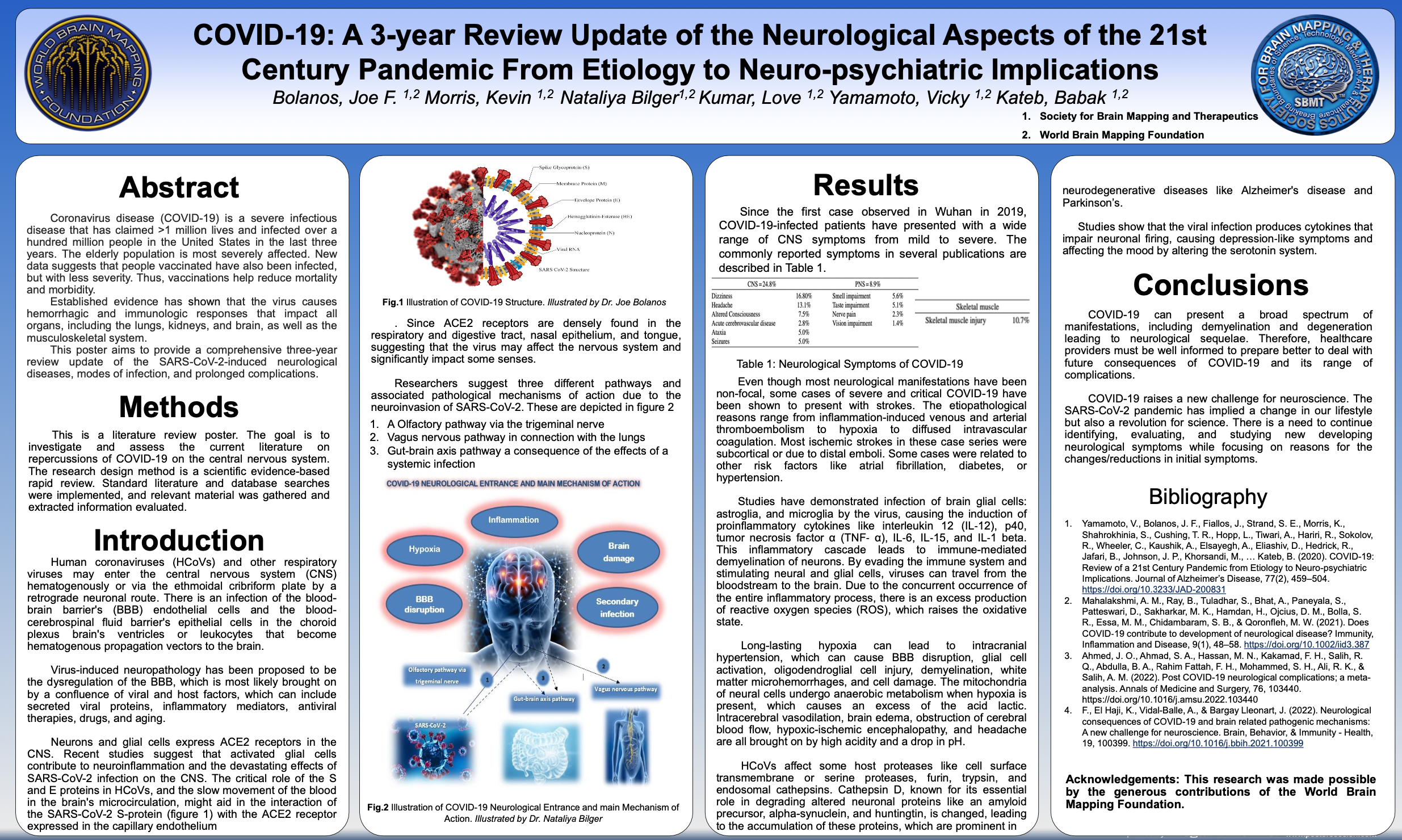
Previous Posters By Fellows and Interns


Subcommittees
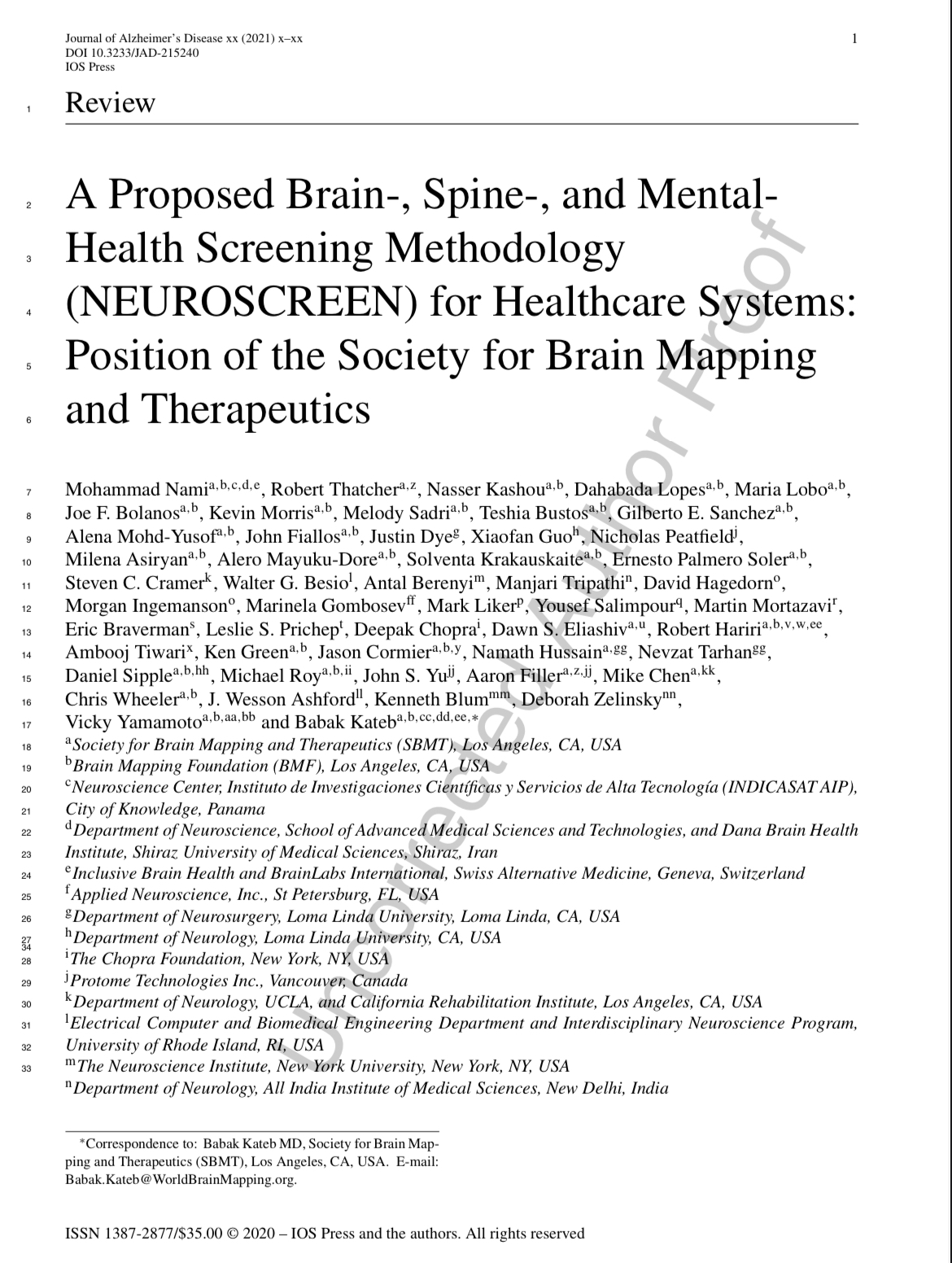
Projects and Publications
Important Documents
With your attendance and support, this year’s N20 Summit looks forward to advance neurohealth policy to tackle neurological diseases.