
Kasif Nevzat Tarhan
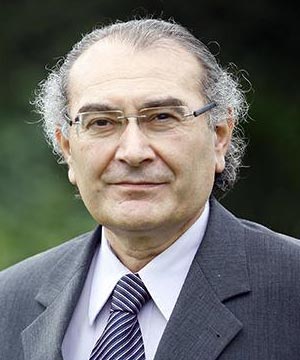
Nevzat Tarhan was born in Merzifon/Turkey in 1952. He finished Kuleli Military High School in 1969 and graduated from Cerrahpaşa Medical School Ístanbul University in 1975. Following his internship at GATA (Gülhane Military Medical Academy) he worked in Cyprus and Bursa garrisons at different military medical institutions. In 1982 he became a specialist psychiatrist at GATA. After his clinical services as a specialist at Erzincan and Çorlu Hospitals, he became an assistant professor(1988), an associate professor (1990) at GATA Haydarpaşa. He was promoted to colonel in 1993 and became a professor in 1996. Between 1996 – 1999 he worked at Yüzüncü Yıl University as faculty member and as an expert at Forensic Institution. He got retired on his own will. He took the representation of “Memory Center of America” in Turkey in 1998. Professor Tarhan has been the Chairman of the Board of NPÍSTANBUL, the first neuropsychiatry hospital of Turkey and also the founding Director of Üsküdar University. Professor Tarhan has more than a hundred publications 31 of which are international. He has also more then 25 published books. He has many distinguished awards and recognitions including: Currently, he is the President of Üsküdar University as well as a member of the Board of Society for Brain Mapping and Therapeutics (SBMT), which is headquartered in California, the United States America. He was part of the SBMT-International delegates who presented the Honorable US Congresswoman Maxine Waters with 2015 Pioneer in Healthcare Policy Award for her role in pioneering legislations, which culminated to advance diagnostics and therapeutics for Alzheimer’s Disease patients. Professor Tarhan is the President of SBMT-Turkey Chapter. He is Co-chairman of the second Annual (2015) G20+ World Brain Mapping and Therapeutic Initiative Summit in Turkey. He is chairman of the Turkish-SBMT Brain Mapping Initiative as part of the SBMT-G20+ World Brain Mapping and Therapeutics Initiative (G20+ WBMTI). Professor Tarhan speaks and write fluent English and has two children. He loves poetry and extremly well disciplined and respected amongst his colleagues in the field.
Namath Hussain
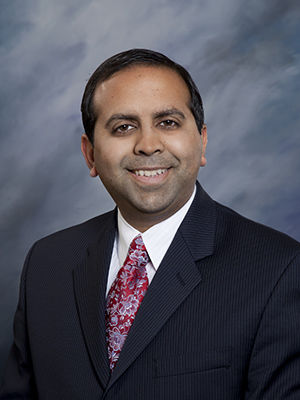
Dr. Namath S. Hussain, MD, MBA is a board certified neurosurgeon who treats all surgical diseases of the brain and spine. However, he has a specific interest in both minimally invasive spinal techniques for adult degenerative spinal disease, spinal tumors, trauma, spinal column deformity, and disorders affecting the craniovertebral junction. Dr. Hussain obtained his undergraduate degree in biomedical engineering graduating with distinction from the University of Southern California. He also obtained his medical degree from the Johns Hopkins School of Medicine graduating with merit and ranking first in his class. He then completed his training in Neurological surgery at Penn State University Health. Subsequently, he completed an adult deformity fellowship at the department of neurosurgery and orthopedics at Swedish Medical Center and minimally invasive spine fellowships at Penn State University Health and William Beaumont Hospital. He has over 200 peer-reviewed papers and book chapters and has published in high profile journals including: Journal of Neurooncology, Neurosurgery, Journal of Alzheimers Disease, Pathophysiology, British Medical Journal, Journal of Neurosurgery, and Spine. He has special interests in minimally invasive spine surgery, spinal trauma, disorders affecting the craniovertebral junction, spine biomechanics, and gait analysis.
Reinhard Schulte
Dr. Reinhard Schulte has more than 18 years of experience in proton radiation therapy and proton radiosurgery. He has a doctorate in medicine (summa cum laude) and a diploma in physics from German Universities. He is licensed as a physician both in Germany and the United States, and is a board-certified radiologist in Germany. He is also board-certified in radiation oncology by the American Board of Radiology in radiation oncology in the U.S. He helped developing the proton radiosurgery program at the Loma Linda University Proton Treatment Center in 1993, which has been treating patients since then and is constantly modernized. Dr. Schulte has been involved in proton-therapy related research since 1996. He started a scientific initiative to develop proton computed tomography (pCT) at Loma Linda University in 2003 and has found interested collaborators in the U.S. and worldwide to support this research. His research is currently supported by a 4-year R01 grant from the National Institute of Health. At the James M. Slater Proton Treatment and Research Center, Dr. Schulte is responsible for translational research activities related to proton therapy and proton physics and radiobiology. In recent years, his research has focused on the development of new techniques and indications for proton radiosurgery, including functional CNS disorders and cardiac arrhythmia.
Denise B. Kandel
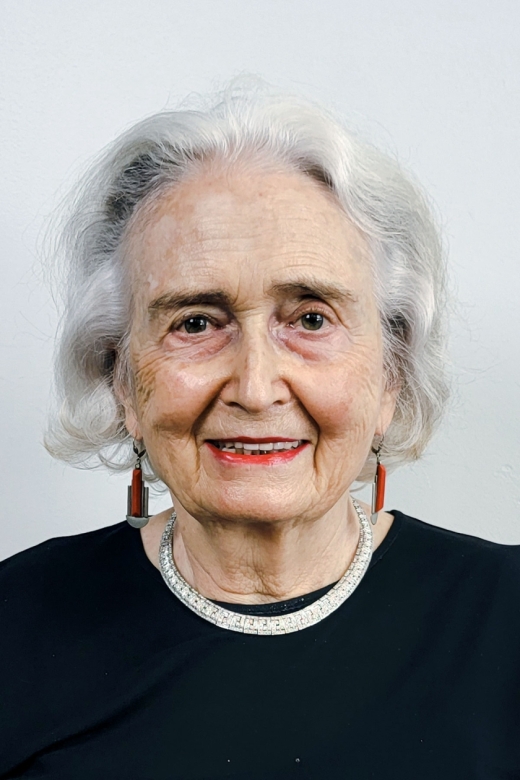
Denise Kandel, PhD., Head of the Department of Epidemiology of Substance Abuse at the New York State Psychiatric Institute, Professor of Sociomedical Sciences and Psychiatry at Columbia University. Major interests: the epidemiology, risk factors, and consequences of drug use, in particular smoking and prescription opioid use; the epidemiology of substance dependence; developmental pathways of problem behaviors in adolescence; the intergenerational transmission of deviance; animal models of epidemiological paradigms. Current research activities focus on five areas: 1) the epidemiology of prescription opioid use and mortality; 2) the Gateway Hypothesis of drug involvement; 3) the intergenerational effects of parental drug use on child drug behavior and development; 4) epidemiology of post-traumatic stress disorder; 5) animal models of the Gateway Hypothesis. Research The epidemiology, risk factors, and consequences of drug use, in particular smoking and prescription opioid use; the epidemiology of substance dependence; developmental pathways of problem behaviors in adolescence; the intergenerational transmission of deviance; animal models of epidemiological paradigms. Current research activities focus on five areas: 1) the epidemiology of prescription opioid use and mortality; 2) the Gateway Hypothesis of drug involvement; 3) the intergenerational effects of parental drug use on child drug behavior and development; 4) epidemiology of post-traumatic stress disorder; 5) animal models of the Gateway Hypothesis. Selected Publications For a complete list of publications, please visit PubMed.gov(link is external and opens in a new window)
Abilash Haridas
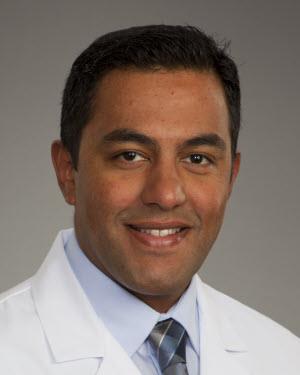
Abilash Haridas is a Neurosurgery expert in Los Angeles, California. Haridas has been practicing medicine for over 23 years and is rated as an Experienced expert by MediFind in treating Spinal tumors. According to our data, he is also highly rated in 2 other conditions. His top areas of expertise are Stroke, Moyamoya Disease, Tieche-Jadassohn Nevus, Cerebral Artery Bypass Surgery, and Extracranial-Intracranial Bypass Surgery. Haridas is currently accepting new patients. His clinical research consists of co-authoring 17 peer-reviewed articles in the past 15 years. In particular, he has co-authored 1 article in the study of Spinal Tumor. He is the Founder and CEO of Astra Neurosurgical Institute, Los Angeles, specializing in Adult and Pediatric Neurosurgery.
George Perry, PhD
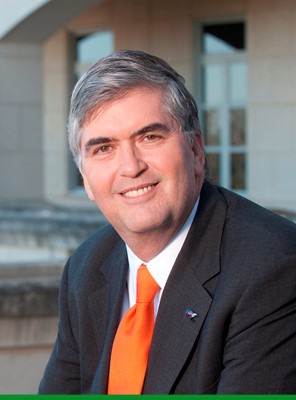
Professor of biology and chemistry at the University of Texas at San Antonio and the former dean of the College of Sciences. Editor-in-Chief of the Journal in Alzheimer’s Disease Co-Chair of SBMT Alzheimer’s Subcommittee. Research Interests Dr. Perry’s studies are focused on the mechanism of formation and physiological consequences of the cytopathology of Alzheimer disease. The lab has shown that oxidative damage is the initial cytopathology in Alzheimer disease. They are working to determine the sequence of events leading to neuronal oxidative damage and the source of the increased oxygen radicals. Current studies focus on the:
Robert W. Thatcher
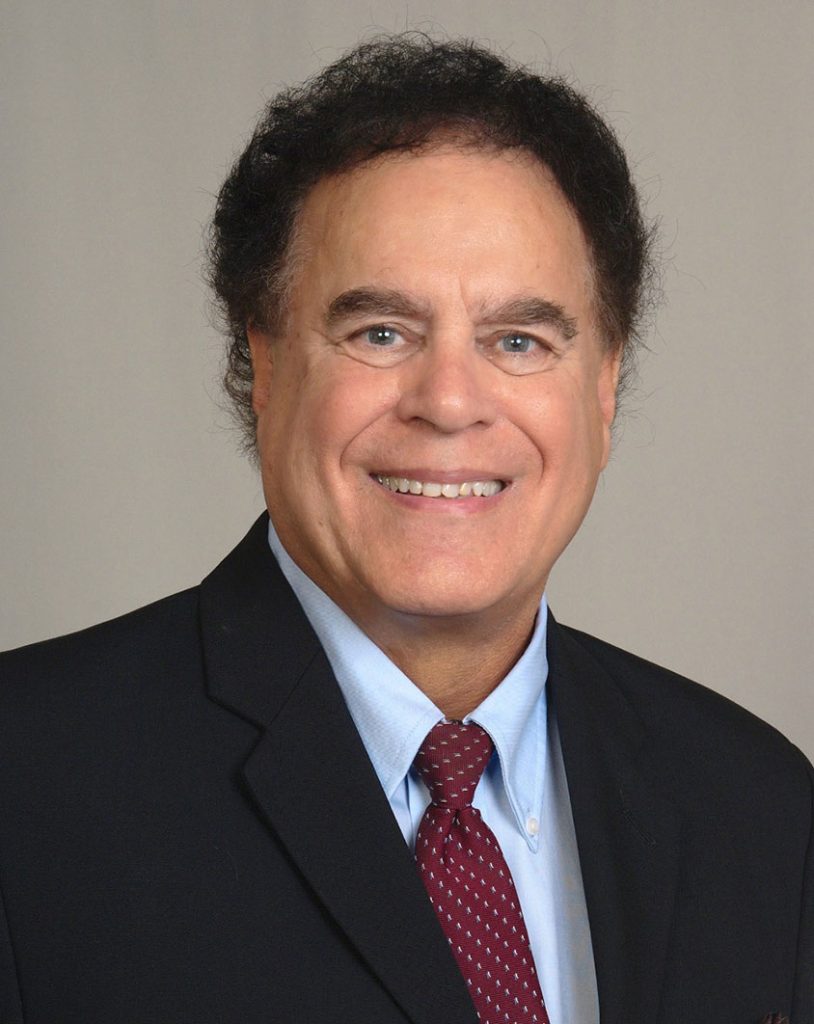
Robert W. Thatcher, Ph.D. received a bachelor’s degree in chemistry from the University of Oregon and a Ph.D. degree in Psychology/Biopsychology from the University of Waterloo before completing postdoctoral fellowships in Neurobiology and Neurophysiology at Albert Einstein College of Medicine and New York Medical College. In 1973 Dr. Thatcher was appointed as Assistant Professor of Psychiatry at New York Medical College and in 1977 as an Associate Professor of Psychiatry at New York University School of Medicine. In 1979 Dr. Thatcher was appointed as a professor of Psychiatry and Director of the QEEG service at Shock Trauma, University of Maryland before joining the National Institutes of Health in 1991 as the Program Manager for the integration of 128 channel EEG with MRI, PET and SPECT. Dr. Thatcher was the director of the NeuroImaging Laboratory at the Bay Pines VA Medical Center, Bay Pines, FL from 1993 to May 2006. As the principal investigator for the Department of Defense Head Injury Program (DVHIP) Dr. Thatcher over saw the collection and analysis of quantitative EEG from over 1,500 head injured patients which also involved the integration of EEG with MRI. Dr. Thatcher’s professional affiliations include being a board member of the American Board of Electroencephalography and Clinical Neurophysiology, a National Institute of Health Scientific advisory board member for the Human Brain Project, an executive board member of the EEG and Clinical Neuroscience Society and was a board member of the International Society for Neurofeedback. He is involved in collaborative research with several major medical centers as well as ongoing clinical applications of qEEG and EEG biofeedback as part of the Resilience Program of the US Army at Fort Campbell. He is currently on the Board of Directors for the Society for Human Brain Mapping and Therapeutics (SBMT) and is the chair for the MEG/EEG track of the SBMT). He has been the recipient of the Hans Berger Award of Merit (AAPB Neurofeedback Division) and the Life Time Achievement Award for work in the scientific specialty of QEEG (ISNR) and The Pioneer in Medicine award by the Society for Human Brain Mapping and Therapeutics (2020). He is currently the Founder and CEO of Applied Neuroscience, Inc. and the Director of Applied Neuroscience Research Institute, St. Petersburg, Florida. Dr. Thatcher is certified as an expert in both conventional electroencephalography and quantitative electroencephalography (QEEG), has read over 20,000 EEGs, and has written or supervised the writing of over 10,000 clinical EEG cases. He has extensive mathematical and programming experience as well as organizational leadership skills. He is the author of over 200 publications, including eight books. His most recent books are Thatcher, R.W. and Lubar, J.F. (Editors (2014) “Z Score Neurofeedback: Clinical Applications” and the “Handbook of Quantitative Electroencephalography and EEG Biofeedback, 2nd Edition.
Roger W. Werne
ROGER WERNE is a Senior Advisor for the Innovation and Partnerships Office (IPO). Dr. Werne has broad experience in the commercialization of technology developed within the Lawrence Livermore National Laboratory (LLNL). He launched and led the laboratory’s Industrial Partnering program in the late 1980’s while an Associate Director for Engineering. In 1995, he left LLNL and co-founded ITI Medical Technologies, a medical device company that developed unique surgical instruments for the field of Magnetic Resonance Image (MRI) guided surgery, a new minimally invasive surgical paradigm. The company patented, developed, and had FDA approval of a unique line of electrosurgical instruments which are still available in the medical marketplace. Roger returned to LLNL in 1999 as Chief Engineer for the NAI/Homeland Security Directorate tasked with countering the proliferation and use of weapons of mass destruction (WMD) against the United States. From 1999 to 2005, Dr. Werne was on the external Division Review Committee for the Engineering Sciences and Application Division at Los Alamos National Laboratory. In 2007, he joined the Innovation and Partnerships Office as Deputy Director, overseeing the licensing of laboratory developed intellectual property to the private sector and Cooperative Research and Development Agreements (CRADAs) with industry. He is a member of the Keiretsu forum, Angel Investment group, the Scientific Advisory Committee for the Society for Brain Mapping and Therapeutics, and the Innovation Advisory Committee at San Jose State University. Dr. Werne received his Ph.D. in Structures and Solid Mechanics from the University of California at Berkeley.
Ashraf Mounir Elsayegh
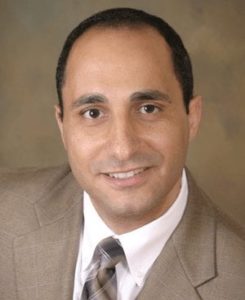
Dr. Elsayegh graduated from the Ross University School of Medicine in 1998. He works in Los Angeles, CA and 3 other locations and specializes in Critical Care Medicine, Critical Care Respiratory Therapy, Pulmonology and Sleep Medicine.
Harry Kloor
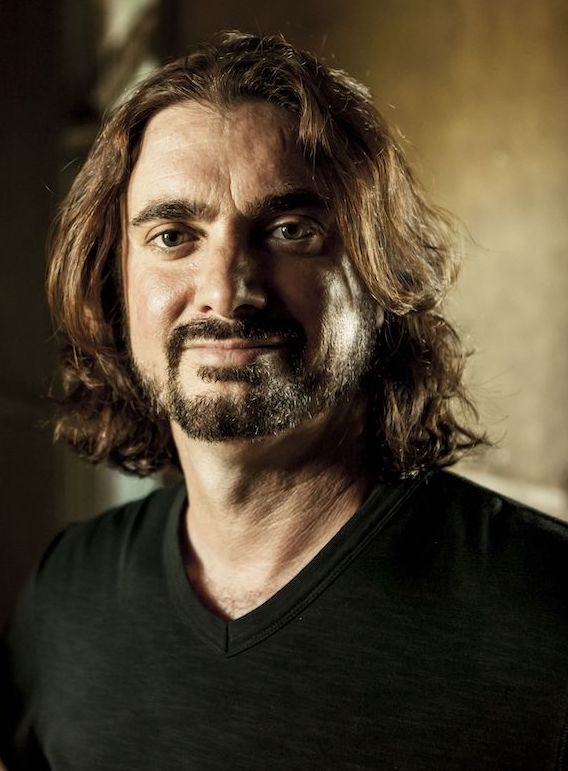
Dr. Harry Kloor is a successful serial entrepreneur, scientist, technologist, educator, policy advisor, author, and Hollywood filmmaker. He is the CEO and Co-Founder of Beyond Imagination; a company that has developed a suite of exponential technology solutions that deploys AI, AR, Robotics, Machine Learning and human-computer interaction technology to enhance and revolutionize the world’s workforce. Dr. Kloor has received numerous awards, most recently The Golden Axon Award from the Society for Brain Mapping & Therapeutics; most notable from the past, he was named ABC World News: Person of the Week honor in 1994. He worked as advisor for NASA, US SENATE, JPL, and numerous other science organizations. According to the US Council of Graduate Schools, Dr. Kloor is the only person in world history to earn two Ph.D.s simultaneously. His degrees are in Physics and Chemistry and were earned in 1994 from Purdue University. Dr. Kloor is a martial arts expert with 45 years of experience and numerous black belt degrees. Dr. Kloor was one of the five founding team members of XPRIZE and served at its CSO until 2005. He was on the founding team of Singularity University and taught at Singularity’s first summer program. In 2016 he created the ten million dollar Avatar XPRIZE, and in 2018 he co-created the Carbon Extraction Xprize with Jeff Holden and Jon Vein. Elon Musk funded this 100 Million plus prize purse in 2021. Dr. Kloor has worked with a large number of scientific organizations, universities, and companies to advance exponential technologies ranging from robotics, holographic capture, virtual and augmented reality, artificial intelligence, deep machine learning, sensor networks, IoT, volumetric capture, haptics, holography, etc. Dr. Kloor recently exited from Stem CC, a company he co-founded. In 2019, based on this work, the Word Economic Forum named Robotic Avatars as one of the top ten emerging technologies, in the same year Dr. Kloor chaired the Robotic sessions at AI for Good UN hosted conference in Geneva. 2020 WEF invited Dr. Kloor to speak on the economic impact Robotic Avatars will have in the coming decade. Dr. Kloor co-founded Rocket Racing League with Peter Diamandis and Bob Hariri. Dr. Kloor is also a professional filmmaker, with over 25 years of experience working in Hollywood. He has produced, written, and directed science fiction films and television series in Hollywood, starting with Star Trek: Voyager and the series and co-created the series Earth: Final Conflict. In 2007-2009, Dr. Kloor helped launch Taiwan’s animation industry by bringing his NASA/JPL Quantum Quest (QQ) film production to Taiwan. This marked the first big animation film ever animated in Taiwan. This film was designed to educate and inspire kids about the Cassini-Huygens space mission and science in general. This is the only film that Neil Armstrong participated in his life. He is currently developing a range of science fiction TV and film projects for Hideaway films, and working on several TV projects with famed showrunner Tim Kring (Heroes). Prior to Beyond Imagination, Dr. Kloor was the founder of Stem CC Inc.– a stem cell company that was sold in 2018 to Celularity, one of the world’s most cutting edge clinical-stage cell therapeutics companies (founded by Peter Diamandis and Bob Harari). Dr. Kloor also sits on the board of Brain Mapping and Therapeutics Society, and serves as their Chief Scientific Advisor and Educational Outreach Coordinator.