Lawrence Steinman
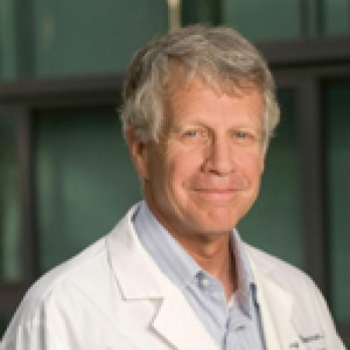
Dr. Lawrence Steinman is a professor of Neurology and Neurological Sciences, Pediatrics, and Genetics. He also served as the Chair of the Stanford University Interdepartmental Program in Immunology from 2003-2011. Dr. Steinman’s research focuses on what provokes relapses and remission in multiple sclerosis (MS), the nature of the molecules that serve as a brake on the brain inflmmation, and the quest for a tolerizing vaccine for autoimmune diseases like type 1 diabetes and neuromyelitis optica. He has developed two antigen specific therapies, using DNA vaccines, for MS and type 1 diabetes. He was senior author on the seminal 1992 Nature article that reported the key role of a particular integrin in brain inflammation. This research led to the development of the drug Tysabri, which is used to treat patients with MS and Crohn’s disease. Dr. Steinman received his BA from Dartmouth College and his MD from Harvard University. He was a post-doctoral fellow in chemical immunology fellow at the Weizmann Institute of Science in Israel. Dr. Steinman returned to Stanford University Hospital as a resident in pediatric and adult neurology and then joined the faculty at Stanford in 1980. Dr. Steinman has received numerous honors and awards, including the John M. Dystel Prize from the American Academy of Neurology and the National MS Society for his research on MS, and the Charcot Prize for Lifetime Achievement in MS research. He has twice been awarded the Senator Jacob Javits Neuroscience Investigator Award by the National Institute of Neurological Diseases and Stroke. Dr. Steinman is a member of the National Academy of Sciences and the National Academy of Medicine, formerly called the Institute of Medicine. Dr. Steinman holds a number of patents in the areas of immunology, and for therapies of Huntington Disease, type 1 diabetes and MS. He cofounded Neurocrine Biosciences, Bayhill Therapeutics now named Tolerion, Nuon Therapeutics, Transparency Life Sciences and Atreca.
David Baron, DO, MSEd
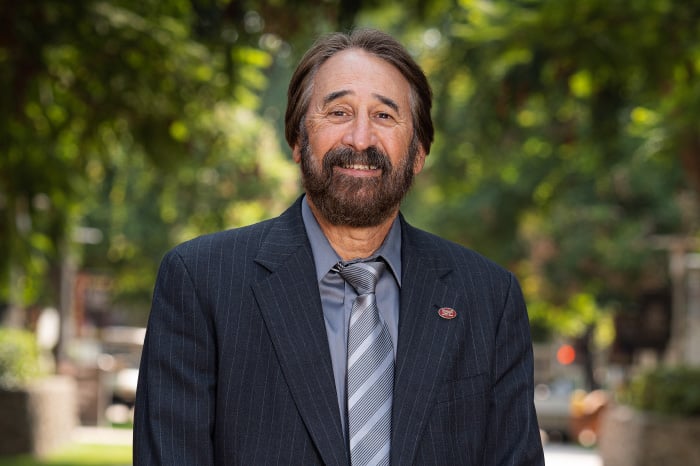
Currently working as a tenured Professor at Western University of Health Sciences, research Professor at Claremont Graduate University. David Baron, DO, MSEd, is Senior Vice President and Provost of the Western University of Health Sciences and serves as Chief Academic Officer of the university. He is responsible for academic, accreditation, and budgetary affairs. Dr. Baron joined the university in May 2018 after serving for eight years in roles within the Department of Psychiatry at the Keck School of Medicine, including Vice Dean for Global Health, Professor of Psychiatry and Neurosurgery, Vice Chair of the Department, and Chief of Service at Keck-USC Hospital. He received his DO degree from the Philadelphia College of Osteopathic Medicine (PCOM) and a Master of Science in Education from the University of Southern California (USC). He is the former Deputy Clinical Director of the National Institute of Mental Health (NIMH), former President of the American College of Neuropsychiatry and the Group for the Advancement of Psychiatry, and chaired the Department of Psychiatry at Temple University School of Medicine from 1998-2010. Dr. Baron was named a National Fulbright scholar in 2017-18 and conducted his research as Distinguished Chair in Brain Research at the University of Calgary. He also is the recipient of a Fulbright Specialist Award.
Eric Kandel
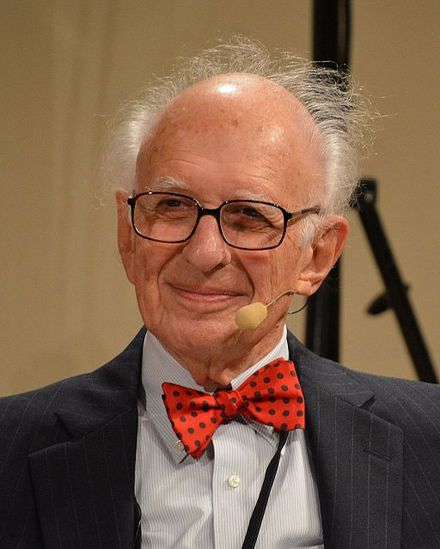
Eric Richard Kandel (German: [ˈkandəl]; born Erich Richard Kandel,[citation needed] November 7, 1929[2]) is an Austrian-born American[2] medical doctor who specialized in psychiatry, a neuroscientist and a professor of biochemistry and biophysics at the College of Physicians and Surgeons at Columbia University. He was a recipient of the 2000 Nobel Prize in Physiology or Medicine for his research on the physiological basis of memory storage in neurons. He shared the prize with Arvid Carlsson and Paul Greengard. He is a Senior Investigator in the Howard Hughes Medical Institute. He was also the founding director of the Center for Neurobiology and Behavior, which is now the Department of Neuroscience at Columbia University. He currently serves on the Scientific Council of the Brain & Behavior Research Foundation. Kandel’s popularized account chronicling his life and research, In Search of Memory: The Emergence of a New Science of Mind,[3] was awarded the 2006 Los Angeles Times Book Prize for Science and Technology.
Babak Kateb
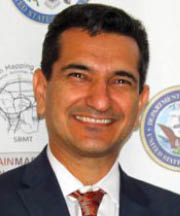
Babak Kateb, MD, Ph.D. (h.c.), is a neuroscientist and serial neurotech entrepreneur with more than 22 years of research experience. His research has focused on introducing advanced diagnostics and therapeutics into clinical neuroscience to rapidly identify and introduce game-changing technologies to treat neurological disorders such as brain cancer, Alzheimer’s disease, Parkinson’s disease, and other brain and spinal conditions. He did his educational training at TUSOM, USC. His research fellowship was at the USC-keck School of Medicine, Department of Neurosurgery. He also studied VLSI system design at the USC Department of Electrical Engineering at the Ming Hsieh Institute; he has an Honorary Ph.D. from Uskudar University, Istanbul, Turkey. Babak established the Society for Brain Mapping and Therapeutics (SBMT) while doing his research fellowship 22 years ago at USC. He is the founding Chairman of the board of directors & CEO of the Society for Brain Mapping and Therapeutics (SBMT). He is the President and Scientific Director of the World Brain Mapping Foundation, the National Center for Nano-Bio-Electronics, and the Brain Technology and Innovation Park (BTIP), focused on integrating nanotechnology, cellular therapeutics/stem cell, medical devices, and imaging. He is a member of the advisory board of AiM Med Robotics and Chairman of the science advisory board of Infinity Arc (cancer/radiosurgery tech). Babak was the Director of Research and Development in the Department of Neurosurgery at the City of Hope Comprehensive Cancer Center. He established collaboration with NASA and published and pioneered the technique for using NASA multiwall carbon nanotubes to activate macrophages for brain cancer immunotherapy. While at the City of Hope, he received NASA Tech Brief Award for his pioneering work on sniffing cancer cells using NASA’s electronic nose. In 2010, he joined the Department of Neurosurgery at Cedars Sinai Medical Center as a research scientist. He developed a partnership between Cedars-Sinai and NASA and established a clinical trial using NASA UV imaging for intraoperative brain mapping. He also patented technology to microwave brain cancer, which the FDA approved for soft tissue; the technology also could be used for brain, liver, head and neck, prostate, and breast cancer. He was also Scientific Director and a Chief Strategy Officer (CSO) at California Neurosurgical Institute from 2015-2017, where he co-authored a nano-neurosurgery paper in Nature-Scientific Reports. He has been recognized by then Vice President Biden, the Mayor of Los Angeles, and the Governor of California for his dedication to science. In 2015, the Society for Brain Mapping and Therapeutics and World Brain Mapping Foundation Board of Directors presented him with Pioneer in Medicine award. He is collaborating with Los Alamos National Lab (LANL) and had a dual appointment with NASA/JPL as a visiting scientist. His research at NASA and LANL involves the use of Artificial Intelligence (AI), Augmented Reality (AR), Virtual Reality (VR), and supercomputing for brain mapping and therapeutics, using LANL’s advanced ultrasonic technology for brain stimulation. Babak holds patents in these areas. He has established a new publication with PLoSOne, which is called PLoSOne_ NeuroMapping & Therapeutics. He served as editor-in-chief and was the force behind three successful NeuroImage-Brain Mapping and Therapeutics special issues. He is the editor of the inaugural Textbook of Nanoneuroscience and Nanoneurosurgery, published by Taylor & Francis (2013), and the editor of the inaugural Neurophotonic and Brain Mapping (2017). Babak has been deeply involved in international neuroscience legislation through his close collaboration with the US Congressional Neuroscience Caucus and members of the Canadian Parliament. He chaired 9 Congressional briefings: Brain Mapping Days (2012-2023) at the United States Congress on Brain Mapping; one Brain Research Day at the Canadian Parliament in 2013, and one Brain Mapping Day at the joint sessions of the Australian Senate and Parliament in 2015. His initiatives have impacted the health care delivery to wounded soldiers in the US. He has been one of the key players in President Obama’s BRAIN initiative and co-author of the Neuroscience20 Brain, Spine and Mental Health and African Brain Mapping Initiative. He has founded and Co-chaired ten G20 Brain Initiative Summits (Neuroscience20/N20) since the 2014 inaugural meeting in Australia.
Christopher Wheeler
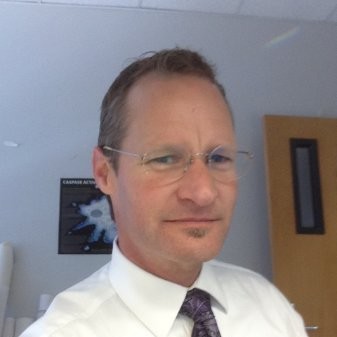
For more than 20 years, Dr. Christopher Wheeler has served as a professor and research scientist at Cedars-Sinai Medical Center in Los Angeles, California. One of the country’s top researchers and scientists in the area of brain tumor immunology, immunotherapy and neurological diseases, Dr. Wheeler was inspired by his mother’s early-onset AD to start a series of experiments that ultimately led to his technology that forms the basis for the science behind TNeuroPharma. Dr. Wheeler serves as the company’s Chief Scientific Officer, bringing his decades of scientific research in this complex area and his research into the role of T-cells in neurodegenerative diseases to TNeuroPharma. Dr. Wheeler has published more than 30 peer-reviewed articles, including being featured on multiple journal covers throughout the years, and has received numerous honors for his scientific research and findings. He has received grants from Leukemia and Lymphoma Society and NIH, several private foundations and donors (Milken, Mashouf, Jos. Drown, Uncle Kory, Precision Medicine). He received his BA in Biological Science at the University of California, Santa Barbara, his PhD. in Immunology at the University of California, Berkeley and his postdoc in Immunology from Stanford University.
Keerthy Sunder
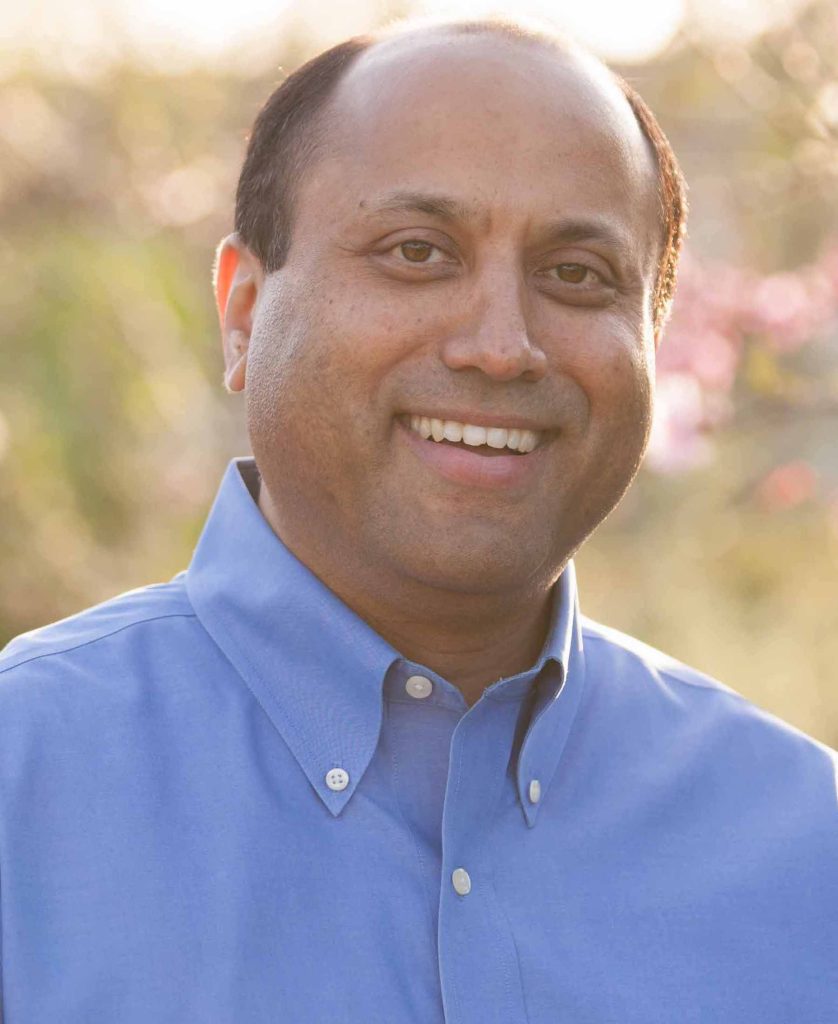
Keerthy Sunder, MD, is a leading double-board certified psychiatrist and the Chief Medical Officer of Karma Doctors & Associates, which has locations in Palm Desert and the Gramercy Park neighborhood of Los Angeles, California. He has over 20 years of experience and is committed to providing you with the most innovative and comprehensive treatment available. Dr. Sunder’s exciting approach to integrated psychiatry seeks to forge an empowering and collaborative patient experience rooted in advanced, scientifically proven modalities. He and the dedicated and caring team of practitioners at Karma Doctors & Associates work with you to customize a tailor-made plan that will specifically address your personalized goals and needs. They believe it’s time for a paradigm shift in psychiatry. Simply being “not depressed” or “not anxious” is no longer a high enough standard to shoot for. They can do better. Happiness, fulfillment, and thriving through everyday life should be the goal. Integrative psychiatry addresses the power of the mind and the chemistry of the brain to deliver powerful and optimized results.
Amin Kassam
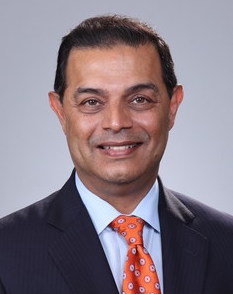
Over the past two decades, Dr. Kassam has been the Chairman or led four Neurosurgery programs; pioneered and globally taught novel surgical procedures; founded or held leadership roles in several technology start-up companies; and, has held executive health care administration leadership roles needed to translate these innovations through Integrated Service Line delivery models. He is the Founder and CEO of Neeka Enterprises and recently served as the Chief Scientific Strategist, VP Neurosciences, and Chairman of Neurological Surgery for AdvocateAurora Health Care. Grounded on a unique active clinical practice, Dr. Kassam has developed an exceptional experience in minimally invasive Neurosurgery. Having led teams that performed many of the first-in-man procedures, he remains a global destination surgeon. Dr. Kassam has published over 320 peer-reviewed articles, 3 textbooks, 80 book chapters, given over 250 lectures globally and served as a distinguished guest for multiple international meetings and societies. He has an H-index of 70, RG-impact score of 47 (98th percentile), and his work has been cited over 18,000 times. He authored the 1st and 3rd most cited article in his field over the past decade and published a sentinel atlas of the human subcortical network: “The White Matter Chassis” which was placed on the 2017 Pantheon list. Over the past year, Dr. Kassam has focused on completing a Neuro-oncology textbook and on his role as the Chief Medical Officer for the National Hockey League Alumni Association. His team will be launching a trial examining Social Determinants of Health (SDoH) and quality of life of the Alumni via a purpose-built digital wellness platform to enhance self-efficacy and peer-to-peer connectivity. This represents one of the largest decentralized multinational virtual trials in this cohort. The machine learning enhanced platforms from this trial will be foundational for more generalized trials anticipated over the years in broader populations, such as Veterans and other vulnerable cohorts subject to health equity disparities. Additionally, with the emergence of the pandemic, Dr. Kassam has focused on resource optimization. Dr. Kassam’s team of data science engineers created and published AI-infused tools including web-based multi-parametric predictive COVID modeling that anticipate surges, hospital bed capacity and inform strategic planning. The team has further built a responsive four step econometric algorithm and a series of integrated tools at the DRG level that focus on strategic pandemic institutional recovery plans and quality-metric based performance measurements. Dr. Kassam has developed a broad network, including being appointed as the National Hockey League Alumni Association CMO, econometrics and optics consultant for Stryker Corporation, as well as, recently partnering with JLL Property Investments to create the next generation life sciences ecosystem. This broad and deep range combined with a track record of implementing purpose-built patient-centric Integrated Service Lines across diverse ecosystems, positions him to not only provide direct patient care, but also, be uniquely capable of providing data-driven, predictive clinical and economic insights to optimize resources during a time of unprecedented need both for patient care and academic pursuit. Dr. Kassam has emerged as a strategic thinker that can work across multiple disciplines and bring people together to make meaningful change in the service of patients.
Marcos Wagner de Souza Porto