Scientific Committee
Over 20 Subcommittees powering the therapeutics and tech innovation research and initiatives.

Scientific Committee | Neuroscience20
The Alzheimer’s Disease and Dementia SBMT Subcommittee, focuses on research on novel early diagnostics, therapeutics and management of Alzheimer’s disease and neurodegenerative diseases and dementia.
The Autism and Pediatric Neuroscience SBMT Subcommittee focuses on research on autism spectrum disorder and pediatrics neurological diseases, their implications diagnostics and therapeutics.
The Cerebrovascular and Skull base Surgery SBMT Subcommittee encompasses the divisions of neurosurgery, interventional neuroradiology, and AI endovascular surgery, all of which focus on a multidisciplinary approach to the treatment and care of various neurovascular diseases.
The Epilepsy, EEG, MEG, and NeuroRadiology SBMT Subcommittee, focuses on the functional aspects of neuro-imaging and associated research. MRI, MEG, PET, nuclear medicine, MRSI, MR-PET, DTI, CT-PET, focused ultrasound, MSI/MEG, ultra-high and low field MRI and interventional radiology, neurooncology, SRS, Gamma-Knife, Cyberknife, ZAP.
The Military Medicine and Veterans Health focuses on research regarding health for wounded soldiers and improvement of quality of life. PTSD, Traumatic Brain Injury, Mental Health, Neurotechnology, prosthetics, and Neurotrauma.
The NanoneuroSurgery and NeuroPhotonics SBMT Subcommittee focuses on research on the newest advances on nanotechnology for the purpose of neurosurgery and neurology. This subcommittee also explores the novel phtotonic applications in neurology and neurosciences in general.
The Neurooncology and Stem Cell SBMT Subcommittee, focuses on research on Brain cancer such as Glioblastoma, Astrocytoma and Meningiomas, their early molecular diagnosis, different therapeutic modalities (chemotherapy, radiation oncology, biologics, immunotherapy)
The Neuropsychiatric and Innovation SBMT Subcommittee, focuses on research on addiction, anxiety disorder, autism, sleep, medical imaging for psychiatric conditions, schizophrenia, depression, PTSD.
The Neuroscience20 SBMT Initiative subcommittee focuses on the global economical burden of neurological diseases and formulates resolutions given to the G20 leaders. It also leads an annual summit that is a think tank that serves this purpose, engaging in business plan workshops, health care policy issues that affect treatment delivery, usage of certain devices/drugs/imaging technologies, FDA regulations and reimbursements, federal and regional regulation impacting health care delivery and research funding, initiative and congressional legislation.
The Neurotechnology, Brain Computer Interface and Neuroengineering SBMT Subcommittee is for those who want to see the future, today. It dwells on the latests technological advances applied to neurosciences in general. AI Machine Learning.
The Psychedelics SBMT Subcommittee, focuses on research on the use of psychedelics for diverse neuropsychiatric illnesses.
The Spine Surgery SBMT subcommittee focuses on State-of-the-art diagnostic, surgical tools, and therapeutics. Some topics that we research are:
• Degenerative spine disease
• Spinal deformity (kyphosis/scoliosis)
• Spinal tumors (primary and metastatic bone tumors as well as intradural tumors)
• Spinal trauma
• Osteoporotic and geriatric spinal pathology
• Revision spinal surgery to treat failed fusions or adjacent level pathology
• Intraoperative CT scan and navigation systems
• State-of-the-art neuromonitoring
• CyberKnife radiosurgery
We specialize in traditional open and newer minimally invasive spinal techniques to treat the above pathologies.
The Visual Processing and Retinal Neuromodulation SBMT Subcommittee focuses on research on retinal processing and its impact on modulation
of autonomic, endocrine and limbic functions, visual influence on movement and behavior (including mental health diagnoses), effect of delayed visual development in autism and other developmental disabilities, visual circuitry disruptions from autonomic dysregulation, concussions and other brain injuries, advancements in optical assessments, sensory integration, virtual augmented/mixed reality.
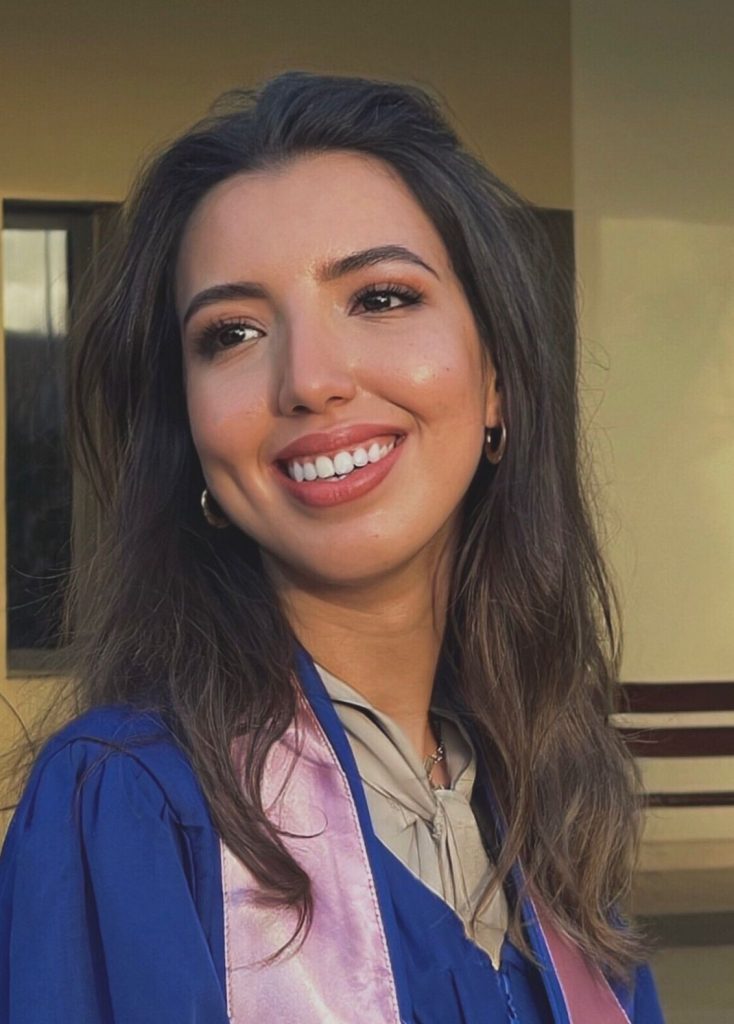
Sara Lhassani
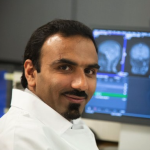
Mojtaba Barzegar
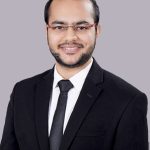
Vaibhav Oberoi
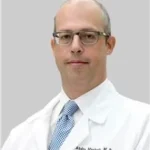
Andre Machado
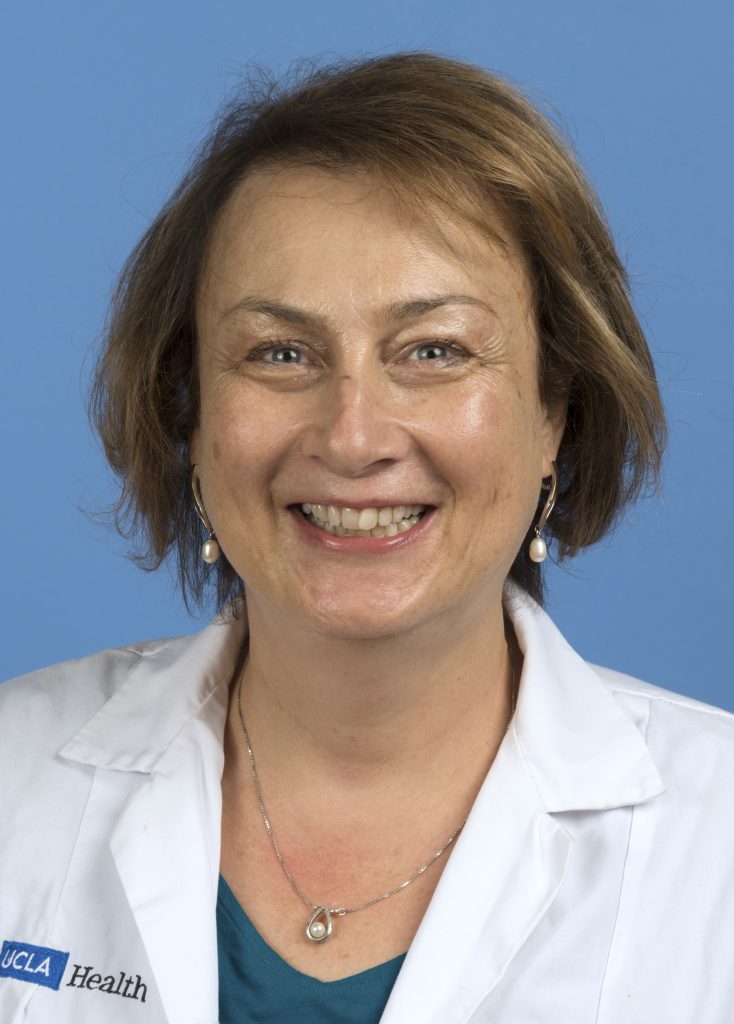
Dawn S. Eliashiv
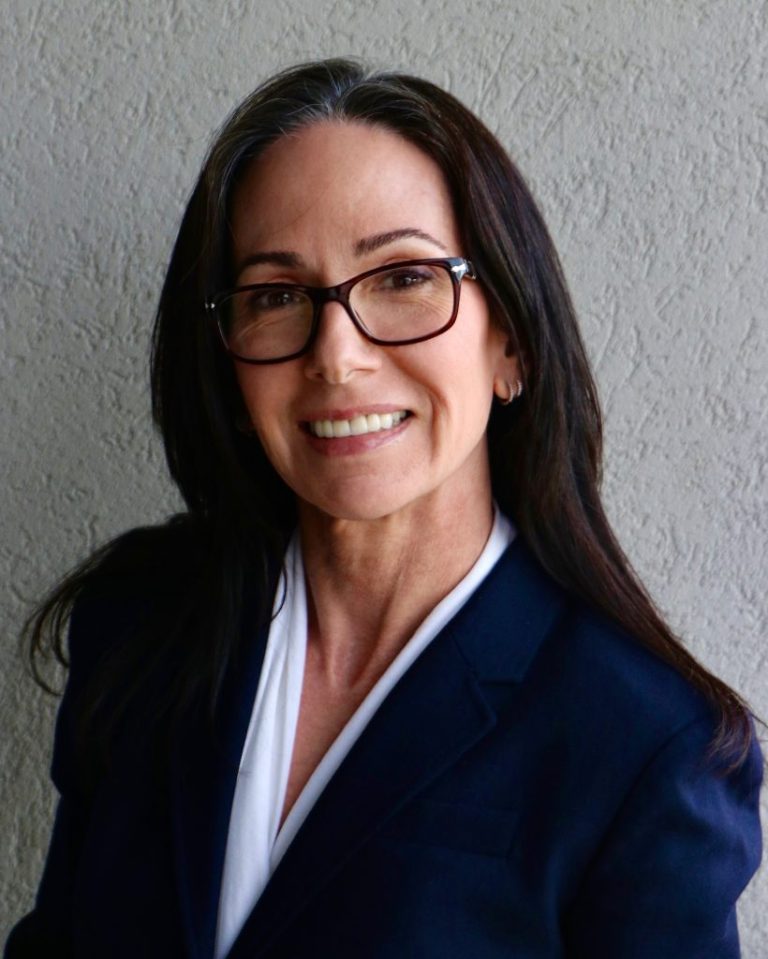
Jennifer Fogarty
Julie Pilitsis
Theodore W. Berger
Joe F. Bolanos
Kevin Morris, MBBS
Important Documents
Please review at your convenience